

วันที่ 9 สิงหาคม 2568 จากกรณีกำลังพลของหน่วยกองร้อยทหารราบที่ 111 เหยียบกับระเบิดขณะทำการลาดตระเวนเส้นทาง เพื่อเสริมความมั่นคงในพื้นที่รอยต่อบ้านโดนเอาว์–บ้านกฤษณา จ.ศรีสะเกษ ส่งผลให้กำลังพลได้รับบาดเจ็บ 3 นาย นั้น ล่าสุดทางกองทัพไทยได้ออกมาประณาม กัมพูชา หลังละเมิดซ้ำซาก ฝังกับระเบิดสังหารบุคคลชายแดน โดยไม่สนอนุสัญญาออตตาวา ซึ่งมีเนื้อหาว่า
“กัมพูชาละเมิดซ้ำซาก! ฝังกับระเบิดสังหารบุคคลชายแดน ไม่สนอนุสัญญาออตตาวา คือการกระทำอำมหิต เป็นอาชญากรรมสงคราม”
กัมพูชาถูกมองว่าเป็นหนึ่งในประเทศที่ได้รับผลกระทบจากทุ่นระเบิดรุนแรงที่สุดในโลก ผลพวงจากยุคเขมรแดงและสงครามกลางเมืองตลอดทศวรรษ 1970–1990 ทำให้ทั่วประเทศเต็มไปด้วยทุ่นระเบิด โดยเฉพาะตามแนวชายแดนไทย–กัมพูชา ซึ่งเคยเป็นสมรภูมิสำคัญ เพื่อแก้ไขปัญหานี้ กัมพูชาได้เข้าร่วม อนุสัญญาออตตาวา (Ottawa Convention) เมื่อปี พ.ศ. 2542 ซึ่งมีข้อห้ามในการผลิต ใช้ เก็บรักษา และส่งออกทุ่นระเบิดสังหารบุคคล พร้อมพันธกรณีที่จะต้องกำจัดทุ่นระเบิดในดินแดนของตน และช่วยเหลือผู้ประสบภัยตลอดระยะเวลาที่ผ่านมา กัมพูชาได้รับเงินสนับสนุนจากนานาชาติอย่างต่อเนื่อง เช่น สหรัฐอเมริกา จีน ญี่ปุ่น เกาหลีใต้ ออสเตรเลีย นิวซีแลนด์ และองค์การสหประชาชาติ ผ่านโครงการกำจัดทุ่นระเบิดและช่วยเหลือเหยื่อ อาทิ การสนับสนุนให้ CMAC (Cambodian Mine Action Centre) เงินทุนเหล่านี้มีเป้าหมายเพื่อลดความเสี่ยง เพิ่มความปลอดภัย และฟื้นฟูพื้นที่ทำกินของประชาชน
จากสถานการณ์ชายแดน ไทย-กัมพูชา ล่าสุดกัมพูชายังคงมีการใช้ทุ่นระเบิดสังหารบุคคล PMN-2 เป็นผลทำให้กำลังพลไทยบาดเจ็บสาหัส สูญเสียอวัยวะจำนวนหลายนาย ซึ่งโฆษกกระทรวงกลาโหมกัมพูชา ชี้แจงว่า ทุ่นระเบิดนั้นเป็นของเก่าและฝังอยู่ในเขตกัมพูชา แต่ภาพล่าสุดเมื่อ 31 ก.ค. 68 ที่สื่อกัมพูชาได้ถ่ายลง ณ ปราสาทตาควาย และ 4 ส.ค.68 ภาพที่ทหารไทยตรวจยึดคลังแสงของกัมพูชายังพบทุ่นระเบิด PMN-2 จำนวน 18 ลูก นั้น แสดงให้เห็นว่ากัมพูชายังคงใช้ทุ่นระเบิดอยู่ แม้การประชุม GBC เพื่อคลี่คลายสถานการณ์การปะทะจะสิ้นสุดไปแล้ว แต่หนึ่งในข้อที่ไทยเรียกร้องนั่นคือขอให้กัมพูชาจัดการเก็บกู้ทุ่นระเบิด ซึ่งกัมพูชาเองไม่ตอบรับ อาจจะเป็นเพราะกัมพูชาพยายามโกหกในนานาชาติว่าตนเองไม่ได้ใช้ทุ่นระเบิด
ล่าสุด เมื่อวันที่ 9 ส.ค.68 เวลา 10.00 น. กองทัพบกได้รับรายงานจากกองกำลังสุรนารี กองทัพภาคที่ 2 ว่า กำลังพลของกองร้อยทหารราบที่ 111 ประสบเหตุเหยียบกับระเบิด ขณะปฏิบัติภารกิจลาดตระเวนเส้นทางเพื่อเสริมความมั่นคง ในพื้นที่รอยต่อบ้านโดนเอาว์–บ้านกฤษณา จังหวัดศรีสะเกษส่งผลให้มีกำลังพลได้รับบาดเจ็บ 3 นาย
กองทัพไทยขอประณามการกระทำนี้ เป็นการกระทำที่ไม่มีเกียรติของทหาร แต่เป็นการกระทำของ “อาชญากรสงคราม” ที่ส่งผลต่อกระทบต่อประชาชนและทหารในพื้นที่ในระยะยาว
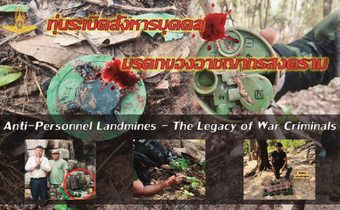
ทุ่นระเบิดสังหารบุคคล มรดกของอาชญากรสงคราม
Anti-personnel Landmines – The Legacy of War Criminals
Cambodia is regarded as one of the most heavily landmine-affected countries in the world. The legacy of the Khmer Rouge era and the prolonged civil war throughout the 1970s–1990s left the country littered with landmines, particularly along the Thai–Cambodian border, which was once a major battlefield.
To address this issue, Cambodia acceded to the Ottawa Convention in 1999, which prohibits the production, use, stockpiling, and transfer of anti-personnel landmines, and obligates member states to remove mines from their territory and assist victims. Over the years, Cambodia has continuously received international funding for mine removal and victim assistance from countries such as the United States, China, Japan, South Korea, Australia, New Zealand, and the United Nations, including direct support to the Cambodian Mine Action Centre (CMAC). These funds were intended to reduce risks, enhance safety, and restore agricultural land for local communities.
However, in the latest Thai–Cambodian border situation, Cambodia has continued to use PMN-2 anti-personnel landmines, resulting in severe injuries and amputations among numerous Thai soldiers. The spokesperson for the Cambodian Ministry of National Defense claimed that these mines were old and buried within Cambodian territory. Yet, photographic evidence tells another story:
• 31 July 2025: Cambodian media published images at Ta Kwai Temple.
• 4 August 2025: During a seizure of a Cambodian weapons cache by Thai troops, 18 PMN-2 mines were discovered.
These facts clearly indicate that Cambodia continues to employ landmines, despite the conclusion of the GBC meeting aimed at de-escalating border clashes. One of Thailand’s demands during the talks was for Cambodia to remove its landmines—a request Cambodia has ignored, likely to maintain its false narrative to the international community that it no longer uses them.
Most recently, on 9 August 2025 at 10:00 a.m., the Royal Thai Army received a report from the Suranaree Task Force, Second Army Region, that three soldiers from the 111th Infantry Company were injured after stepping on a landmine while patrolling a security route in the area between Ban Don Aow and Ban Krisana, Sisaket Province.
The Royal Thai Army strongly condemns this act—an act unworthy of any soldier, but characteristic of war criminals—which will have long-term repercussions for both civilians and military personnel in the affected areas.